
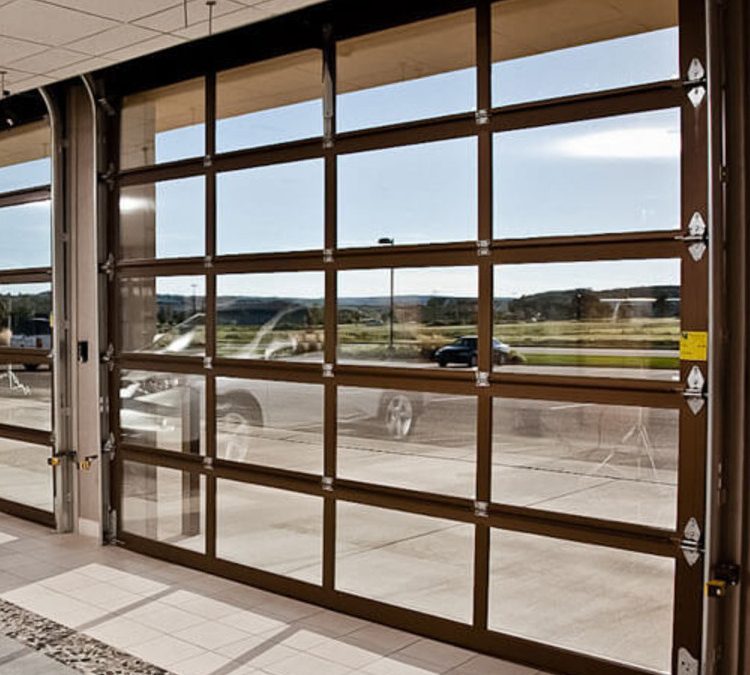
Automatic Sliding Door Sensors Guide for Safety and Efficiency
Automatic sliding doors feel simple to use, but the real work happens in the sensors behind them. These small components decide when a door should open, stay open, or close safely. Without properly working sensors, even the best door system can become unreliable.
If your automatic sliding door sensors are not working correctly, professional inspection and calibration are required to prevent safety risks.
This automatic sliding door sensors guide explains how these systems work, the types available, and what you should know to keep them functioning properly in everyday use.
What Do Automatic Sliding Door Sensors Actually Do
Sensors are responsible for detecting movement or presence near the door. When someone approaches, the sensor sends a signal to the control unit, which then activates the motor to open the door.
Once the area is clear, the system signals the door to close again. This process happens in seconds and is designed to feel effortless for users.
In busy environments like retail stores or office entrances, sensor accuracy plays a key role in maintaining smooth flow and safety.
Types of Sensors Used in Automatic Sliding Doors
Different environments require different types of detection. Not all sensors work the same way, and each has its own purpose.
Motion sensors
These are the most common. They detect movement using infrared or microwave signals and trigger the door to open when someone approaches.
Presence sensors
Instead of detecting movement, these sensors identify if someone is standing in the doorway. They prevent the door from closing too early.
Safety sensors
These are installed near the closing path of the door. Their role is to stop or reverse the door if something is in the way.
Touchless activation sensors
Often used in controlled spaces, these allow doors to open with a simple hand wave, reducing contact and improving hygiene.
Types of Sensors Comparison
| Sensor Type | Function | Best Use Case |
| Motion sensors | Detect movement and trigger opening | Retail stores, offices |
| Presence sensors | Detect stationary objects in the doorway | High-traffic entrances |
| Safety sensors | Prevent closing if obstruction is detected | Commercial and hospital doors |
Why Sensor Quality Makes a Difference
Not all sensor systems perform the same way. In high-traffic areas, poor-quality sensors can lead to delays, unnecessary openings, or even safety concerns.
A reliable motion sensor door system ensures:
- Quick and accurate detection.
- Smooth door operation without hesitation.
- Reduced chances of false triggering.
- Safe closing without risk of obstruction.
In places where doors are used constantly, these small differences become noticeable very quickly.
Sensor Issues in High Traffic Door Systems
Even well-installed systems can face issues over time. Recognizing early signs can help avoid bigger problems.
Some common sensor-related issues include:
- Doors do not open when approached.
- Delayed response or inconsistent detection.
- Doors are opening without anyone nearby.
- Sensors are failing to detect objects in the closing path.
Most of these problems are linked to alignment, dust buildup, or electrical faults.
Common Sensor Failures & Fixes
- Misaligned sensors – Realignment and calibration
- Dust or obstruction – Cleaning and repositioning
- Wiring or power issues – Electrical inspection
- Faulty sensor unit – Replacement of damaged component
Timely troubleshooting helps restore system performance and prevents safety risks.
Sensor Replacement Cost UAE
- Sensor calibration and minor fix: AED 150 – AED 400
- Sensor repair: AED 300 – AED 800
- Full sensor replacement: AED 800 – AED 2,000+
Costs depend on sensor type, system compatibility, and installation requirements for automatic door sensor UAE systems.
External Factors Influencing Door Sensor Accuracy
Sensors do not work in isolation. Their performance depends on several external factors.
For example, dust accumulation can block detection signals, especially in regions with dry conditions. Lighting conditions, reflective surfaces, and even temperature changes can influence how sensors respond.
That’s why proper positioning and periodic checking are important to maintain consistent performance.
Simple Maintenance Tips for Automatic Sliding Door Sensors
- Keep sensor surfaces clean and free from dust.
- Avoid placing objects that block detection zones.
- Check for unusual delays in response.
- Schedule periodic inspection if doors are used frequently.
These small checks can help maintain smooth operation over time.
Indicators That Door Sensors Need Inspection
If the door starts behaving differently, it’s usually a sign that something needs attention.
You should consider a professional check if:
- The door does not respond consistently
- It opens or closes unexpectedly
- Movement detection feels delayed
- Safety response is not reliable
Addressing these issues early helps prevent operational disruption.
Automatic Door Sensor Repair Services
We provide sliding door sensor repair Dubai and UAE-wide services for commercial entrance systems.
- Sensor calibration and testing
- Fault diagnosis and repair
- Replacement of damaged sensors
- On-site inspection and servicing
Our team ensures your automatic door sensor UAE systems operate safely and efficiently.
FAQs
What are automatic sliding door sensors used for?
Automatic sliding door sensors detect movement or presence near the door and trigger it to open or close. They make entry and exit smooth without the need to touch the door.
How do automatic sliding door sensors work?
These sensors use signals like infrared or motion detection to identify when someone approaches. Once detected, they send a command to the door system to open automatically.
What types of sensors are used in automatic sliding doors?
Common types include motion sensors, presence sensors, and safety sensors. Each type helps control how and when the door operates.
Why are safety sensors important in automatic doors?
Safety sensors prevent the door from closing if someone or something is in the way. This reduces the risk of accidents and ensures safe operation.
Can automatic door sensors stop working over time?
Yes, factors like dust, misalignment, or wear can affect their performance. Regular cleaning and occasional checks help keep them working properly.
Do automatic sliding door sensors need maintenance?
They don’t require constant attention, but periodic inspection is helpful. This ensures accurate detection and smooth door operation over time.
Understanding Door Sensors Helps Prevent Bigger Issues
Automatic sliding door sensors are small components, but they have a major role in how the system performs. Understanding how they work makes it easier to identify issues early and maintain smooth operation without disruption.